Quick answer
The best self-drive safari route in Tanzania depends on your days, confidence level, vehicle setup, and travel style. First-time travelers usually do best with a compact Northern Circuit route. More adventurous travelers can extend toward Serengeti, Lake Natron, or longer overland sections, but only with realistic timing and good route support.
Tanzania is not a place where every route should be treated the same. A short route can feel relaxed and rewarding. A longer route can become stressful if you underestimate road conditions, park timing, fuel stops, or daylight. The goal is not to cover everything. The goal is to choose a route that fits your time, vehicle, and comfort level.
How to choose the right self-drive route
A good self-drive route should feel adventurous without becoming rushed. Before choosing the parks, start with the practical questions: how many days do you have, how confident are you driving off the main road, do you want to camp or stay in lodges, and how much distance do you want to cover each day?
For most travelers, the strongest route is not the longest one. It is the route with enough time for slow driving, wildlife stops, campsite setup, fuel planning, and early arrival before dark.
Best routes at a glance
Scroll to compare all route columns
| Route style | Best for | Suggested time |
|---|---|---|
| Compact Northern Circuit | First-time self-drivers, families, short trips, lodge or mixed setups | 4–5 days |
| Classic Northern Circuit | Travelers who want Tarangire, Manyara, Ngorongoro, and Serengeti | 7–9 days |
| Lake Natron Extension | Adventurous travelers, dramatic landscapes, overland feeling | 6–8 days |
| Serengeti Focus Route | Wildlife-focused travelers with more time and route patience | 8–10+ days |
| Longer Overland Route | Experienced travelers with flexible time and strong support planning | 10+ days |
1. Compact Northern Circuit Route
Arusha → Tarangire → Mto wa Mbu / Lake Manyara → Ngorongoro → Arusha
This is one of the most practical self-drive routes for travelers who want a real safari without making the journey too complicated. You get wildlife, landscapes, culture, and manageable driving distances.
Journey outline
- Day 1: Arusha pickup, vehicle briefing, drive toward Tarangire or nearby overnight.
- Day 2: Tarangire game drive and overnight near the park or Mto wa Mbu.
- Day 3: Lake Manyara, Mto wa Mbu, or relaxed cultural stop depending on your style.
- Day 4: Ngorongoro area or crater day with careful timing.
- Day 5: Return to Arusha with enough daylight buffer.
This route works well because it keeps the safari compact. It is also easier to combine with lodge stays, rooftop tent camping, or a mixed style. If your group is new to Tanzania self-drive, this is often the safest place to begin.
2. Classic Northern Circuit Route
Arusha → Tarangire → Manyara / Mto wa Mbu → Ngorongoro → Serengeti → Karatu → Arusha
This route is for travelers who want the main safari icons without rushing every day. It gives you enough time to experience Tarangire, the Rift Valley area, Ngorongoro, and Serengeti with better pacing.
Journey outline
- Day 1: Arusha arrival, briefing, vehicle handover, and overnight near Arusha or Tarangire.
- Day 2: Tarangire game drive and overnight near the park.
- Day 3: Mto wa Mbu or Lake Manyara area, with time for a lighter day.
- Day 4: Ngorongoro highlands or crater planning day.
- Day 5: Drive toward Serengeti with proper gate and daylight timing.
- Day 6–7: Serengeti game drives and overnight inside or near the park.
- Day 8: Return toward Karatu or Ngorongoro area.
- Day 9: Drive back to Arusha.
The important thing with this route is not to squeeze Serengeti into too few days. The distances are longer than they look on a map, and a rushed Serengeti self-drive can become tiring.
3. Lake Natron Extension Route
Arusha → Mto wa Mbu → Lake Natron → Serengeti / Ngorongoro → Karatu → Arusha
Lake Natron adds a completely different feeling to a Tanzania self-drive safari. It is more remote, more dramatic, and more overland in character. The route is best for travelers who want landscapes, open space, and a stronger adventure mood.
Journey outline
- Day 1: Arusha briefing and drive toward Mto wa Mbu or Lake Manyara area.
- Day 2: Continue toward Lake Natron with route notes and timing buffer.
- Day 3: Lake Natron area, landscapes, walks, waterfalls, or relaxed exploration.
- Day 4: Continue toward Serengeti side or return toward Ngorongoro depending on route plan.
- Day 5–6: Safari section through Serengeti or Ngorongoro area.
- Day 7–8: Return through Karatu or Mto wa Mbu to Arusha.
Lake Natron should not be treated as a quick add-on. It needs proper route planning, early starts, enough fuel awareness, and a vehicle that is ready for rougher sections.
4. Serengeti Focus Route
Arusha → Ngorongoro → Central Serengeti → Northern / Western Serengeti option → Karatu → Arusha
A Serengeti-focused self-drive route is best for travelers who want more time in the park and are comfortable with longer driving days. This is not the route to rush. Serengeti rewards patience.
Journey outline
- Day 1: Arusha pickup and vehicle briefing.
- Day 2: Drive toward Karatu or Ngorongoro area.
- Day 3: Enter Serengeti with careful gate timing.
- Day 4–6: Central Serengeti game drives and overnight planning.
- Day 7–8: Optional extension depending on season, route, and comfort level.
- Day 9: Return toward Ngorongoro or Karatu.
- Day 10: Return to Arusha.
If you want Serengeti, give it space in the itinerary. The drive in and out takes time, and the best safari moments often happen when you are not rushing to the next overnight stop.
5. Longer Overland Route
Northern Circuit + Lake Natron + extra safari or cultural extensions
A longer overland route gives you the most freedom, but it also requires the most discipline. You need a stronger route plan, clear overnight points, vehicle readiness, and support options in case weather, roads, or timing change.
Journey outline
- Start: Arusha briefing, vehicle check, and first overnight close to the route.
- Middle: Combine safari areas with quieter landscape or cultural sections.
- End: Build in a recovery day before returning the vehicle or connecting to your next plan.
This route style is best for travelers who want the journey itself to be part of the safari. It works especially well with rooftop tents, flexible planning, and a clear support process.
Plan the drive, not just the distance.
A short journey on a park track can take longer than a much longer stretch of tarmac. Compare the destination gate below, then add the onward drive to your actual camp or lodge.
Scroll to compare distances, surfaces and time allowances
| Journey / endpoint | Approx. distance | Driving time | Road character | Extra planning buffer |
|---|---|---|---|---|
| Arusha → Tarangire main gate | 120 km | 2½–3 hours | Mostly tarmac approach; graded access and unsealed tracks inside. | Allow another 1 hour for a break and entry. Add your camp transfer separately. |
| Arusha → Lake Manyara main gate | 125 km | 2–2½ hours | Tarmac to Mto wa Mbu; slower unsealed roads inside the park. | Allow another 1 hour for stops and entry before starting a game drive. |
| Arusha → Ngorongoro Lodoare gate | 160 km | 3–4 hours Conservative planning estimate | Tarmac approach via Karatu; winding roads and gravel beyond the gate. | Allow another 1–2 hours for breaks and entry. Rim, lodge and crater descent are additional journeys. |
| Arusha → Serengeti via Ngorongoro | Confirm the gate and camp Serengeti is not one arrival point | 7–8+ hours Indicative approach time | Tarmac approach followed by highland gravel and slow, corrugated safari roads. | Keep a full daylight transfer day. Add 2+ hours for formalities and breaks; confirm the final camp leg before booking. |
| Iringa → Ruaha park approach | About 130 km Exact gate / camp must be confirmed | 3–4 hours Conservative planning estimate | Mixed approach roads and slower unsealed sections; conditions and endpoint change the pace. | Allow another 1–2 hours for stops, entry and uncertain access. Add travel within the park. |
How to use these estimates & sources
Distances are rounded, one-way reference distances to the stated endpoint, not total safari mileage. Driving-time ranges assume ordinary conditions and exclude game viewing. Ngorongoro and Ruaha times and all extra buffers are conservative editorial planning estimates. Current access, the chosen gate, traffic and your accommodation can change the journey substantially.
Reference information checked 11 October 2026: TANAPA Tarangire brochure, Tarangire visitor guide, Lake Manyara visitor guide, NCAA road access information, Serengeti visitor guide, and TANAPA general brochure (Ruaha).
For Lake Natron, Nyerere and remote extensions, request a route-specific estimate with your exact overnight stops. Ask us to check your driving days · Check park-entry planning · Check seasonal conditions.
Common route planning mistakes
Most self-drive problems are not caused by the destination. They are caused by poor timing. A route can look easy on a map and still become difficult when you add park gates, slow roads, wildlife stops, campsite setup, fuel, and darkness.
Avoid these mistakes:
- Planning too many parks in too few days.
- Driving long distances after a full game drive.
- Arriving at campsites or lodges after dark.
- Depending only on mobile signal for navigation.
- Not checking fuel range before remote sections.
- Choosing a vehicle based only on price instead of route suitability.
Which vehicle fits which route?
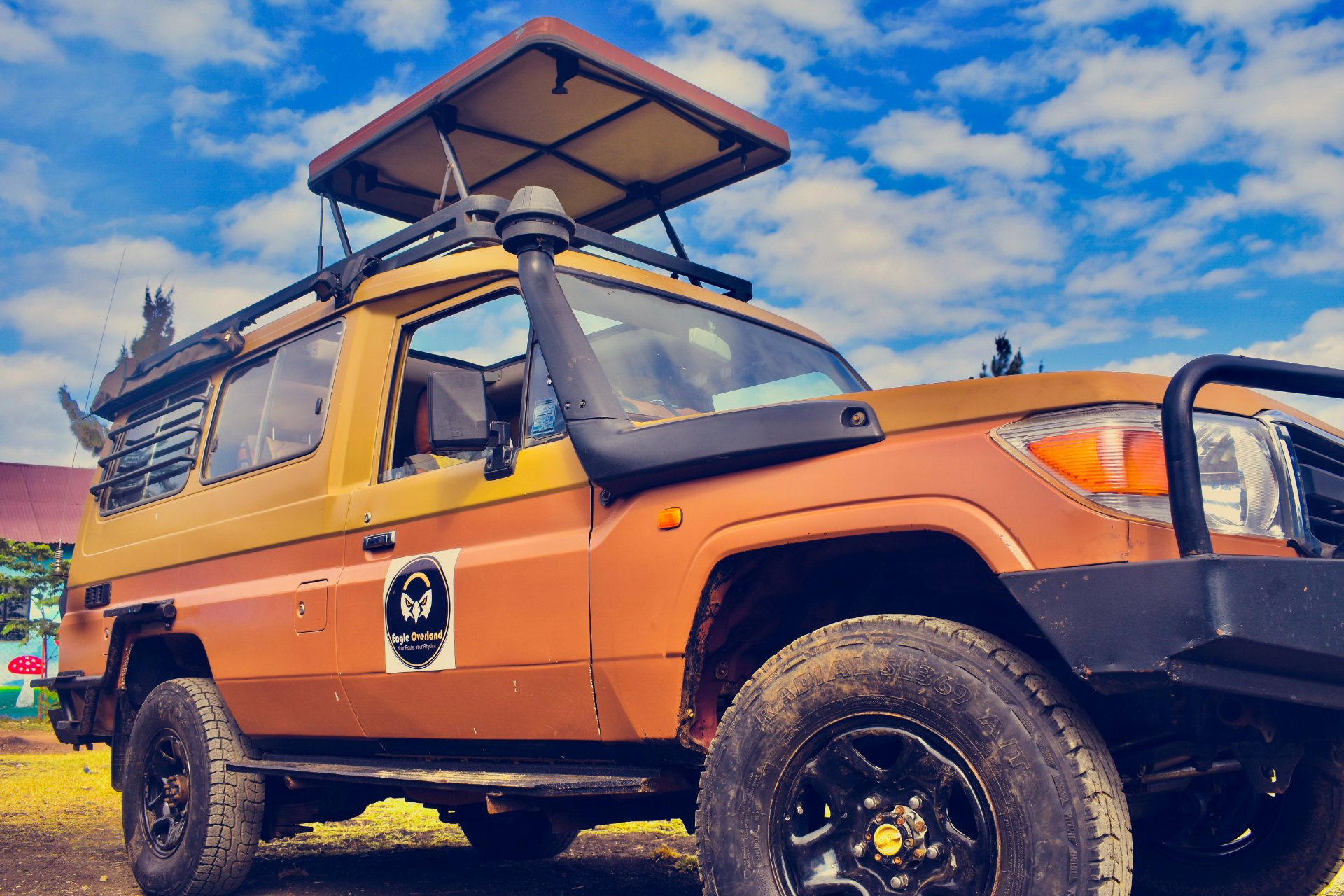
Vehicle choice should match the route. A compact route can work with several setups, but longer safari routes and rougher sections usually benefit from a stronger platform, better storage, good tyres, recovery gear, fridge, dual battery, and proper briefing.
Scroll to compare vehicle setups
| Route type | Recommended setup | Why |
|---|---|---|
| Compact Northern Circuit | Land Cruiser lodge setup, Land Cruiser rooftop tent, or Hilux for compact groups | Shorter distances and easier logistics make this flexible. |
| Classic Northern Circuit | Land Cruiser with rooftop tents or lodge-focused Land Cruiser | More comfort, storage, and safari-road confidence. |
| Lake Natron extension | Well-prepared Land Cruiser or capable Hilux with route support | More remote feeling and stronger route discipline needed. |
| Serengeti focus | Land Cruiser preferred | Longer distances, park roads, luggage, and comfort matter more. |
Which route should you choose?
If this is your first Tanzania self-drive safari, choose the route that gives you the most control. A compact Northern Circuit route is usually better than a rushed Serengeti plan. If you have more days and want a stronger adventure, add Serengeti or Lake Natron carefully.
Plan with confidence
Need help choosing the right self-drive route?
Tell us your dates, group size, driving confidence, camping or lodge style, and places you want to include. We’ll help match the route with the right 4x4, support plan, route notes, and equipment setup.
Route FAQ
Questions travelers ask before choosing a route
What is the best self-drive route for first-time travelers?
A compact Northern Circuit route is usually the best first choice. It gives you a real safari experience without pushing the driving days too hard.
How many days do I need for Serengeti?
Serengeti is better with more time. If you want to include it comfortably, plan around 7–9 days for the wider circuit or 8–10+ days for a Serengeti-focused journey.
Is Lake Natron good for self-drive?
Yes, but it is better for adventurous travelers. It needs careful route notes, timing, fuel planning, and a vehicle that suits rougher overland sections.
Can I camp on these routes?
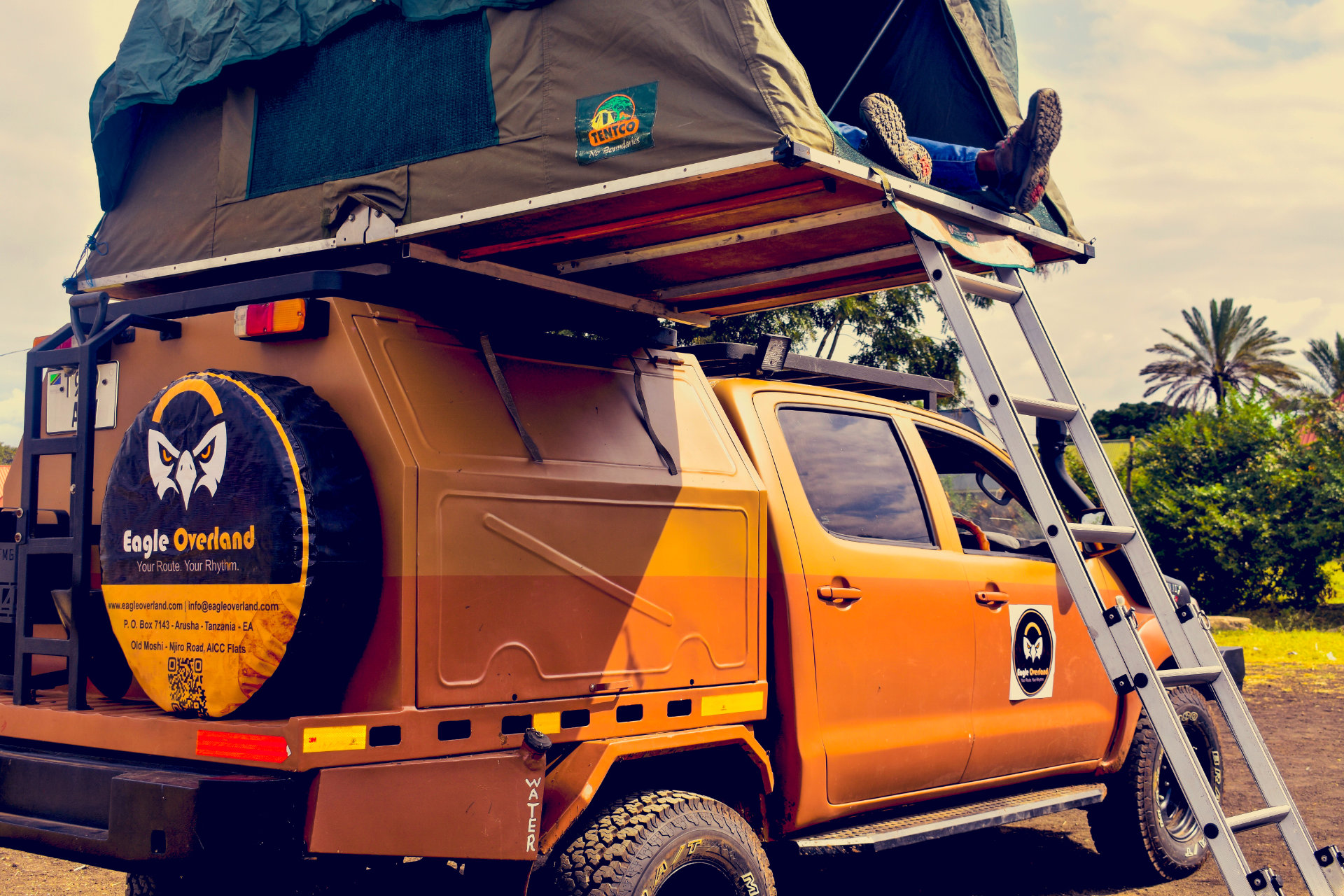
Yes. Rooftop tents work well for camping routes, especially when the vehicle includes practical equipment such as fridge, table, chairs, lighting, and kitchen gear.
Can Eagle Overland help build a custom route?
Yes. Eagle Overland can help with vehicle choice, route planning, offline navigation guidance, camping setup, lodge-style routes, and practical self-drive guidance.