Quick answer
A self-drive safari in Tanzania is possible and rewarding when you have the right 4x4, a realistic route, daylight-focused driving days, proper camping or lodge planning, offline navigation, and local support. The biggest mistake is treating Tanzania like a normal road trip. Safari routes need time, patience, vehicle preparation, and clear backup plans.
Tanzania is one of Africa’s most exciting self-drive safari destinations, but it rewards travelers who prepare properly. The freedom is real: you can move at your own pace, stop for the landscape, choose your rhythm, and experience the journey privately. But the freedom works best when the vehicle, route, and support are right from the beginning.
What is a self-drive safari in Tanzania?
A self-drive safari means you rent a properly prepared 4x4 and drive your own route instead of traveling with a full-time driver-guide. Depending on your plan, you may camp with rooftop tents, stay in lodges, or combine both styles.
The best self-drive safaris are not random. They are planned around road conditions, park timing, distance, fuel stops, weather, daylight, overnight locations, and realistic driving speed. That is where a prepared vehicle and local route support become important.
Choosing the right 4x4
Your vehicle choice should depend on group size, luggage, travel style, comfort expectations, and route difficulty. A strong 4x4 is not only about power. It is also about seating comfort, ground clearance, tyres, spares, recovery gear, battery setup, fridge, storage, and how easy the vehicle is to live with for several days.
Scroll to compare all columns
| Vehicle style | Best for | Why it works |
|---|---|---|
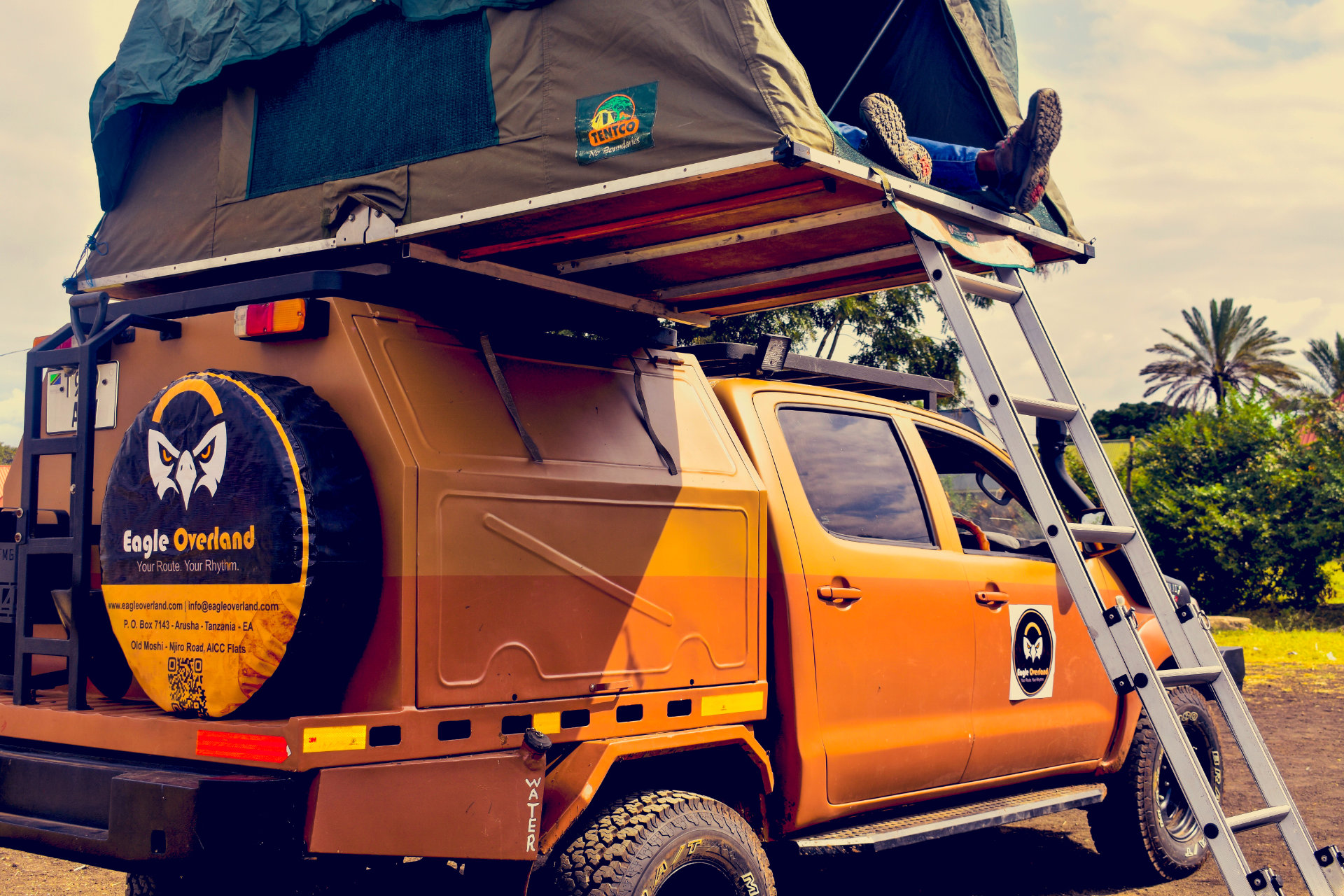
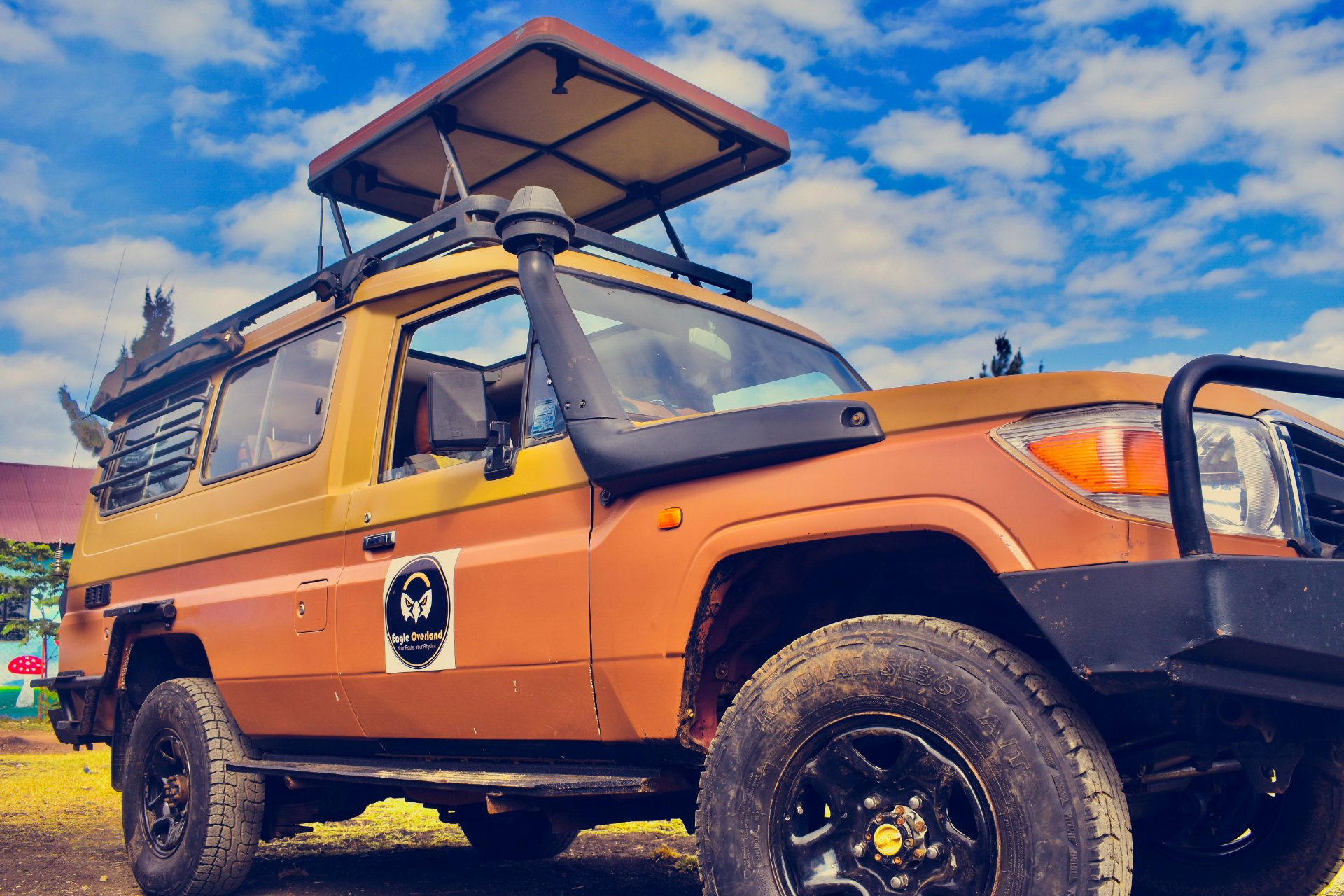
| Land Cruiser with rooftop tents | Camping safaris, families, small groups, longer Northern Circuit routes | Strong safari platform, good clearance, camping setup, luggage capacity, and route confidence. |
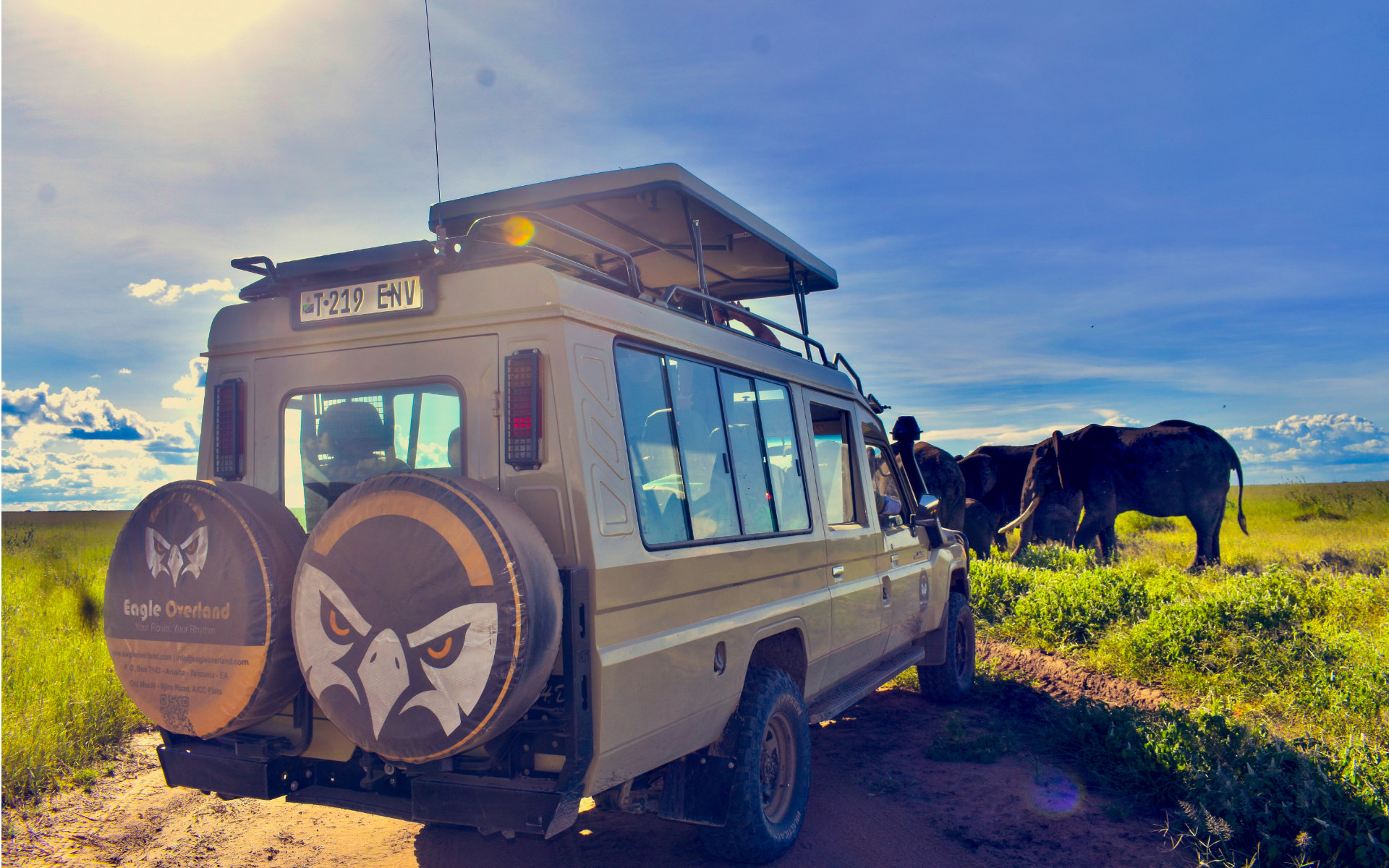
| Land Cruiser lodge setup | Lodge-based safaris, photographers, comfort-focused travelers | More cabin comfort, larger windows, less camp handling, and a smoother guest experience. |
| Hilux with rooftop tents | Couples, compact groups, lighter camping routes | Practical, compact, capable, and suitable for travelers who pack lighter. |

Recommended all-rounder
For many first-time Tanzania self-drive travelers, a Land Cruiser with rooftop tents is the strongest all-round choice for camping, longer routes, and safari-road confidence.
View Land Cruiser buildPlanning your route
Route planning is where many self-drive safaris succeed or fail. A beautiful route on a map can become stressful if the distances are too long, road conditions are slower than expected, or you arrive at campsites after dark.
Good self-drive routes should include:
- Realistic daily distances instead of rushed point-to-point driving.
- Clear overnight stops before sunset.
- Fuel planning, especially for remote sections.
- Gate timing and park logistics.
- Backup options if weather, roads, or timing change.
- Downloaded offline maps, saved locations, and written route notes.
For first-time travelers, the Northern Circuit is often the most practical place to begin. It can include Arusha, Tarangire, Lake Manyara, Ngorongoro, Serengeti, Mto wa Mbu, or Lake Natron depending on the number of days and your comfort level.
Rooftop tent, lodge, or mixed safari?
Camping gives you freedom and a stronger overland feeling. Lodges give more comfort and reduce daily camp setup. A mixed route can be the best balance for many travelers.
Choose rooftop tents if you want:
- A more adventurous overland experience.
- More flexibility in remote areas.
- To sleep close to the landscape.
- A vehicle setup with camping equipment, fridge, table, chairs, and kitchen gear.
Choose lodge setup if you want:
- More comfort after long driving days.
- Less time handling camping gear.
- Better rest, showers, and meals arranged by accommodation.
- A cleaner option for families, photographers, or guests who prefer comfort.
Offline navigation and route preparation
Offline navigation is important because remote safari areas may have weak mobile signal. Downloaded maps, saved locations, and written route notes can help you understand junctions and reduce uncertainty. They should support—not replace—common sense, park instructions, and local guidance.
Eagle Overland can support selected circuits with offline-navigation guidance and practical notes, depending on your itinerary. These may include important locations, overnight stops, gate notes, fuel reminders, and route guidance.
Safety and driving rules
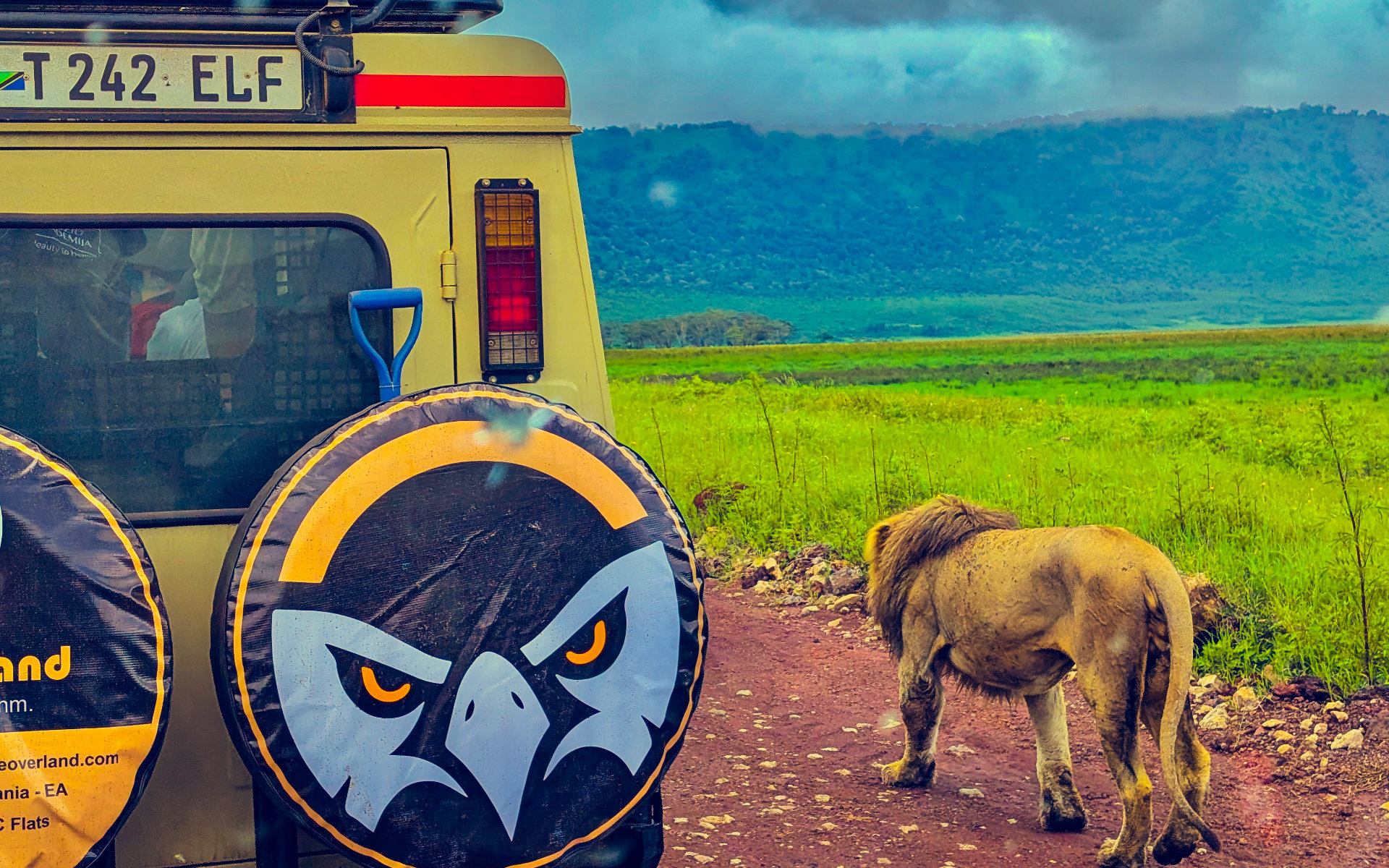
Tanzania self-drive safari safety is mostly about preparation and discipline. The most important rule is simple: avoid night driving. Wildlife, livestock, unlit vehicles, rough roads, and reduced visibility can make night movement risky.
Important safety habits:
- Drive during daylight and plan to arrive before dark.
- Respect park rules and speed limits.
- Do not leave marked routes inside protected areas unless instructed.
- Keep enough water, fuel, and phone battery.
- Understand how to use the vehicle, compressor, recovery gear, fridge, and power system.
- Ask for help early if a route, weather, or vehicle issue feels uncertain.
What costs should you expect?
The cost of a Tanzania self-drive safari depends on the vehicle, rental duration, route, season, camping or lodge style, park fees, fuel, equipment, insurance option, and support level.
Vehicle rental is only one part of the budget. A realistic plan should also consider national park costs, conservation fees, campsite or lodge nights, fuel, food, optional activities, insurance choices, and route support.
Documents and preparation
Before confirming a self-drive safari, check what documents are required for the driver, rental agreement, insurance option, and route. Requirements can vary, so it is better to confirm before arrival.
Before departure, confirm:
- Driver license and International Driving Permit guidance.
- Rental agreement and insurance option.
- Vehicle handover time and pickup location.
- Emergency contacts and support process.
- Equipment list and camping setup.
- Route notes, offline maps, saved locations, and park logistics.
Why local support matters
A good self-drive safari should feel independent, not unsupported. Local support helps with route confidence, vehicle questions, logistics changes, and unexpected issues. It also gives you a clearer handover before you drive.
Eagle Overland is based in Tanzania and focuses on prepared 4x4 vehicles, route planning, equipment setup, and practical support. That means you are not only renting a vehicle — you are starting with a plan.
Plan with confidence
Need help choosing the right route or vehicle?
Tell us your dates, group size, route idea, and travel style. We’ll help match the right vehicle, equipment setup, navigation approach, and support plan.
Self-drive FAQ
Questions travelers ask before booking
Can I do a self-drive safari in Tanzania?
Yes, but it should be planned carefully. You need a suitable 4x4, realistic route timing, daylight driving, offline navigation, and local support.
Which vehicle is best for Tanzania self-drive?
A Land Cruiser is often the strongest all-round vehicle for safari routes, camping setups, luggage, and rougher tracks. A Hilux can work well for compact groups and lighter overland routes.
Do I need a rooftop tent?
Choose rooftop tents if you want to camp and enjoy a more adventurous overland style. Choose a lodge setup if you prefer comfort, less gear handling, and easier daily movement.
Can I drive in Serengeti or Ngorongoro?
Some routes can include major safari areas, but timing, park rules, permits, road conditions, and overnight planning must be arranged carefully before departure.
Does Eagle Overland provide route guidance?
Eagle Overland can provide offline-navigation guidance for selected circuits, together with practical route notes, fuel reminders, gate guidance, and pre-departure briefing.