Quick answer
The cost of a self-drive safari in Tanzania depends on your vehicle, rental duration, route, camping or lodge style, park fees, fuel, insurance option, equipment, and route support. Vehicle rental is only one part of the budget. The best plan looks at the full trip cost before you confirm.
A self-drive safari can be a flexible and rewarding way to explore Tanzania, but it should not be planned only around the daily vehicle rate. The real cost comes from the full combination of vehicle setup, route distance, park logistics, overnight style, fuel, food, equipment, and support.
What affects the cost?
No two self-drive safari budgets are exactly the same. A short lodge-based route near the Northern Circuit will cost differently from a longer camping route with rooftop tents, extra equipment, remote sections, and multiple national parks.
Main cost drivers
Vehicle type, rental days, route distance, park fees, camping or lodge style, fuel, insurance option, and equipment setup.
Biggest mistake
Comparing only the daily vehicle rate without checking equipment, support, route suitability, and total travel costs.
1. Vehicle rental cost
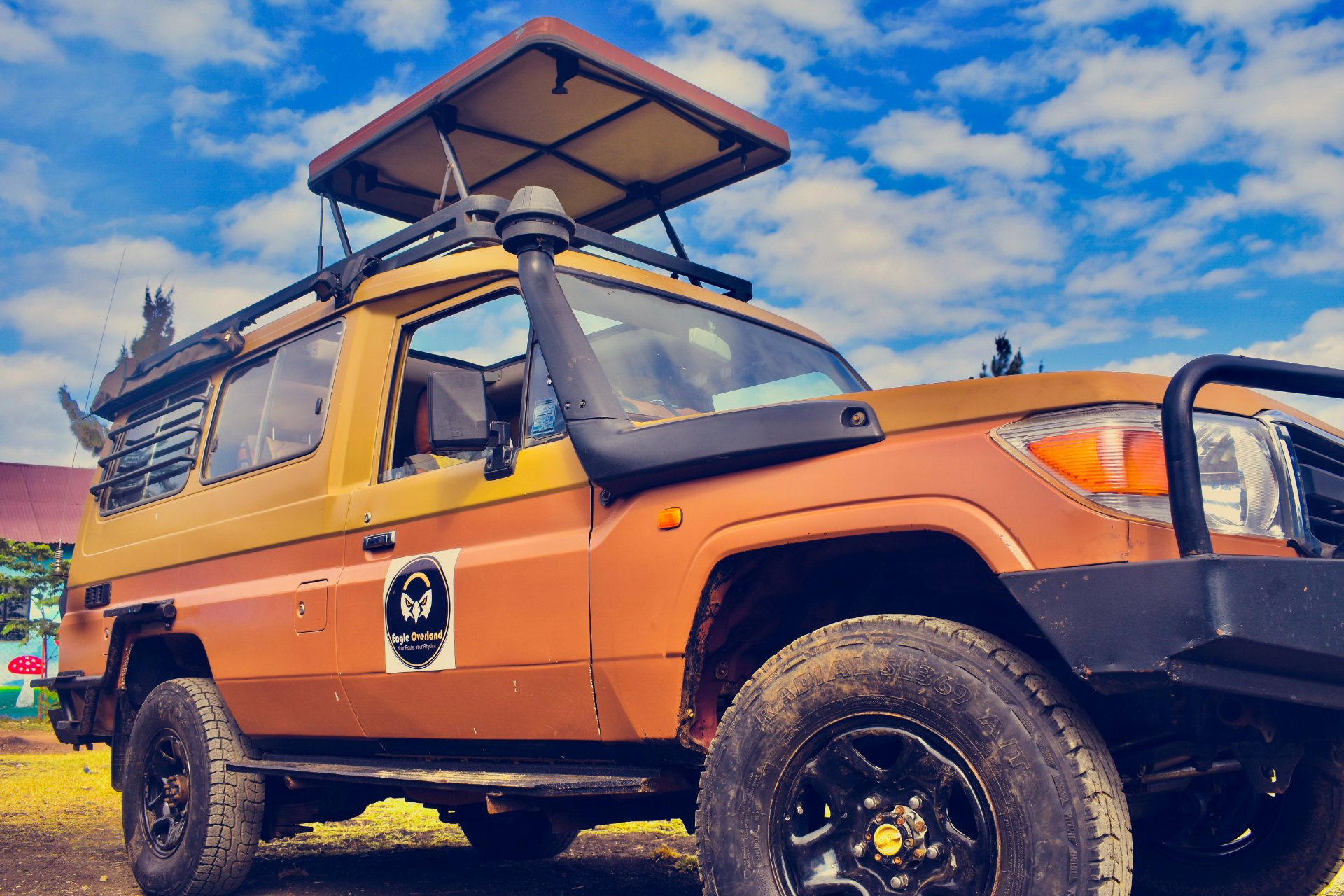
The vehicle rental rate is usually the first cost travelers notice. A Land Cruiser may cost more than a smaller 4x4, but it can provide better comfort, luggage space, camping capacity, and confidence on longer safari routes.
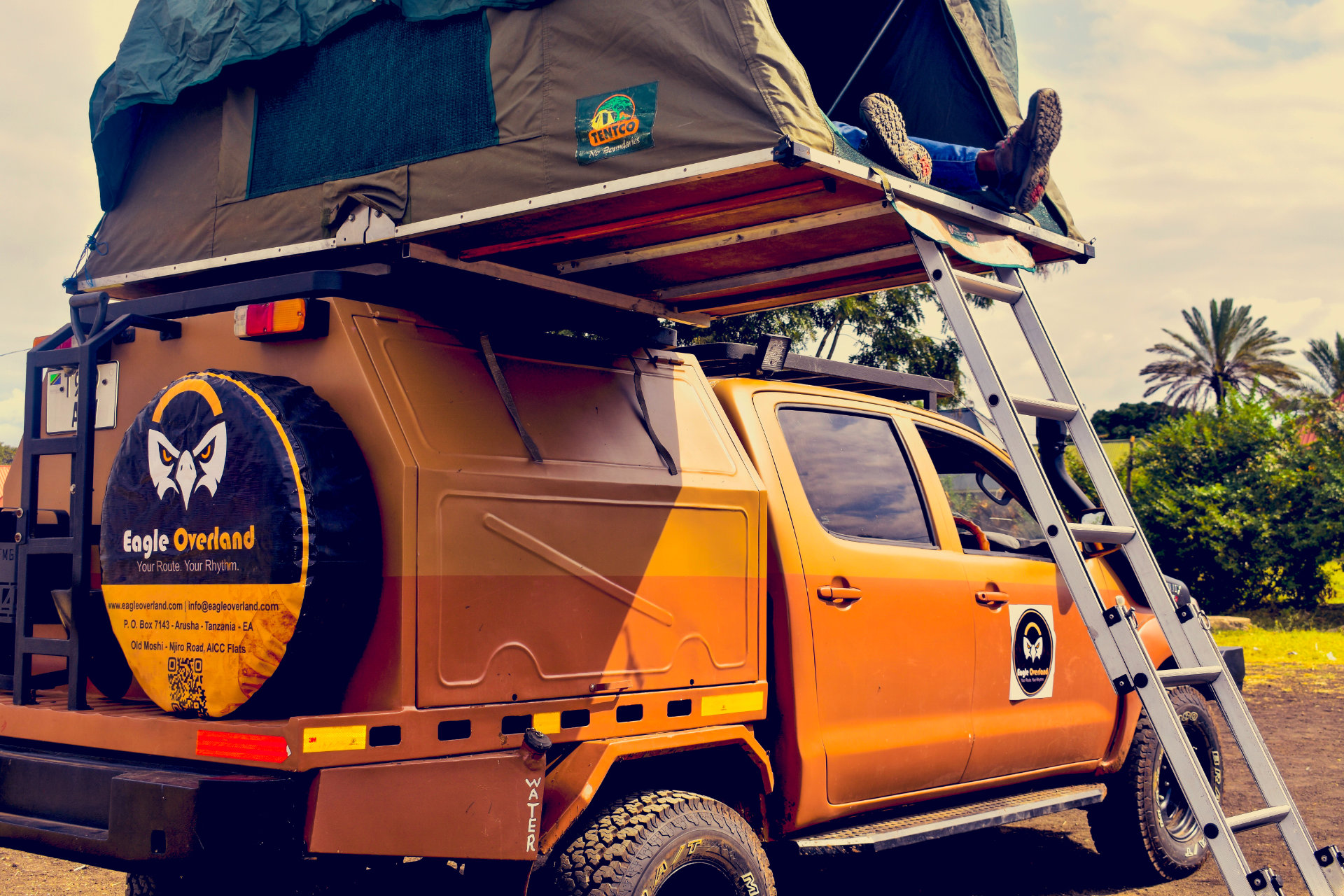
When comparing vehicles, look beyond the daily rate. Check what is included: rooftop tents, fridge, dual battery, inverter, recovery kit, spare tyres, compressor, camping equipment, and route briefing.
Scroll to compare rental inclusions
| Cost item | What to check | Why it matters |
|---|---|---|
| Vehicle rate | Daily rental price and minimum rental days | This is the base cost, but not the full safari budget. |
| Camping setup | Rooftop tents, chairs, table, kitchen kit, fridge, bedding | Included equipment can reduce extra rental or buying costs. |
| Power setup | Dual battery, inverter, USB-C, charging points | Important for phones, cameras, fridge, and offline navigation. |
| Support | Briefing, route advice, emergency contact, and offline-navigation guidance | Good support reduces stress and improves route confidence. |
2. Park fees and conservation costs
Park fees can become one of the biggest parts of a Tanzania safari budget. Costs vary depending on which parks you visit, how many days you stay inside protected areas, vehicle entry rules, camping or concession fees, and whether your route includes major safari regions.
Because park fees and regulations can change, they should always be checked during the planning stage. A route that includes multiple parks or longer time inside protected areas will naturally need a higher budget.
3. Fuel costs
Fuel cost depends on route distance, road conditions, vehicle type, load weight, driving style, and whether your route includes remote sections. Rough roads, sand, mud, slow tracks, and heavy camping equipment can increase consumption.
A realistic fuel budget should include the main route, game drive loops, detours, town transfers, and a safety margin. It is better to over-plan fuel than to underestimate remote sections.
Fuel planning matters
Do not calculate fuel only from town-to-town distance. Add park driving, detours, slow roads, and backup range.
Ask for route estimate4. Camping, lodge, or mixed style
Your overnight style has a major effect on total cost. Rooftop tent camping can reduce accommodation costs, but you still need to plan campsites, food, cooking gear, bedding, park camping rules, and daily camp setup time.
Lodges cost more, but they provide comfort, meals, showers, and less daily work. A mixed route can be a smart balance: camp in some places, use lodges after long driving days, and keep the journey comfortable.
Camping may reduce cost if:
- Your vehicle already includes rooftop tents and camping gear.
- You are comfortable preparing meals and setting up camp.
- Your route has realistic campsite options.
- You plan enough time for camp setup and packing.
Lodges may be worth the cost if:
- You want better rest after long driving days.
- You are traveling with family or comfort-focused guests.
- You prefer meals, showers, and less camp handling.
- You want to reduce daily logistics during the trip.
5. Food, water, and daily supplies
Self-drive travelers should budget for drinking water, snacks, groceries, campsite meals, restaurant stops, charcoal or gas where needed, and small supplies along the way. These costs are easy to forget because they feel small individually.
A fridge can help reduce food waste and make camping easier, especially on longer routes. Still, you should plan shopping points carefully before entering remote areas.
6. Insurance and deposit
Insurance options and vehicle deposit terms are important parts of the cost conversation. Before confirming, ask what is covered, what is excluded, what the excess is, and what happens in case of damage, recovery, or breakdown.
The cheapest option is not always the most comfortable option. A clear insurance discussion gives you more confidence before you drive.
7. Route support and offline navigation
Route support can save time, reduce uncertainty, and help you avoid expensive mistakes. A good route plan considers distance, road conditions, fuel, overnight stops, daylight movement, gate timing, and backup options.
Downloaded maps, saved locations, and written route notes can be helpful when mobile signal is weak. They do not replace local guidance or park rules, but they make self-drive navigation easier.
Hidden costs travelers forget
Many travelers remember the vehicle and accommodation, but forget smaller costs that add up. These can include extra shopping, laundry, tips, paid activities, parking, spare phone data, campsite extras, and emergency changes.
Common forgotten costs:
- Extra fuel for game drive loops and detours.
- Food and water for camping days.
- Park-related vehicle or camping charges.
- Optional activities or cultural visits.
- Accommodation before or after the rental.
- Route changes caused by weather or timing.
- Mobile data, offline maps, charging accessories, and small supplies.
Simple budgeting example
A good self-drive safari budget should separate fixed costs from flexible costs. Fixed costs include vehicle rental and booked accommodation. Flexible costs include fuel, food, activities, and extra route expenses.
Scroll to view all budget columns
| Budget category | Fixed or flexible? | Planning note |
|---|---|---|
| 4x4 rental | Mostly fixed | Depends on vehicle, setup, rental days, and season. |
| Park fees | Mostly fixed | Depends on parks, nights, vehicle rules, and current regulations. |
| Fuel | Flexible | Depends on distance, road conditions, and route changes. |
| Camping or lodges | Mixed | Camping may reduce cost; lodges add comfort. |
| Food and supplies | Flexible | Depends on shopping style and camping plan. |
| Support and navigation guidance | Depends on setup | Can improve route confidence and reduce avoidable mistakes. |
How to control your budget
The best way to control cost is to build a realistic route from the beginning. Fewer rushed driving days, better fuel planning, the right vehicle, and smart overnight choices can make the trip smoother and more predictable.
Smart ways to manage cost:
- Choose a route that matches your number of days.
- Use the right vehicle instead of the cheapest vehicle.
- Mix camping and lodges if you want balance.
- Plan shopping and fuel stops before remote areas.
- Avoid last-minute route changes caused by unrealistic timing.
- Ask for a full quote, not only a vehicle rate.
Final advice
A Tanzania self-drive safari budget should be built around the full journey, not only the car. The right vehicle, realistic route, proper equipment, clear support, and good overnight planning can make the difference between a stressful trip and a confident adventure.
When comparing prices, ask what is included, what is excluded, and what support you receive. A well-prepared 4x4 with strong route guidance can be better value than a cheaper option that leaves you guessing.
Get a clearer budget
Need help estimating your self-drive safari cost?
Tell us your dates, group size, route idea, camping or lodge style, and preferred vehicle. We’ll help you understand the likely cost areas and match the right setup.
Cost FAQ
Questions travelers ask about budgeting
What affects the cost of a Tanzania self-drive safari?
The main cost factors are vehicle type, rental days, route distance, park fees, camping or lodge style, fuel, insurance option, equipment, and route support.
Is vehicle rental the only major cost?
No. Vehicle rental is only one part of the budget. You should also plan for fuel, park fees, campsites or lodges, food, insurance options, and support.
Is camping always cheaper than lodges?
Camping can reduce accommodation costs, especially when the vehicle includes rooftop tents and gear. But campsites, food, park rules, and setup time should still be considered.
Is a cheaper 4x4 always better value?
Not always. A cheaper vehicle may cost more in comfort, equipment, route flexibility, or support. Compare the full setup, not only the daily rate.
Can Eagle Overland estimate my budget?
Yes. Eagle Overland can help estimate your budget based on dates, route idea, group size, preferred vehicle, camping or lodge style, and support needs.