Quick answer
A Tanzania self-drive safari can be safe when you drive during daylight, use a properly prepared 4x4, follow park rules, plan realistic routes, keep offline navigation ready, monitor fuel and water, and know how to contact support. The most important habit is simple: do not rush, and do not drive at night.
Self-drive safari safety is not about fear. It is about preparation, discipline, and knowing when to slow down. Tanzania rewards travelers who respect distance, daylight, wildlife, weather, road conditions, and local guidance.
The main safety rule: avoid night driving
Night driving is one of the biggest risks on a self-drive safari. Visibility is limited, wildlife can move across roads, livestock may be near villages, some vehicles may have poor lighting, and rough road sections become harder to read.
Plan every day so you arrive before dark. This means your route should be built around real safari-road timing, not only distance on a map. A short distance can still take longer than expected because of road conditions, park gates, game viewing, weather, or stops along the way.
Plan realistic route timing
Many self-drive problems begin with rushed planning. A route may look easy online, but safari roads are slower than normal highways. You may stop for wildlife, wait at gates, reduce speed on rough tracks, or take extra time for fuel, food, photos, and navigation.
Scroll to compare planning approaches
| Planning factor | Why it matters | Safer approach |
|---|---|---|
| Distance | Map distance does not show road difficulty. | Plan around time, not only kilometers. |
| Daylight | Late arrivals create pressure and risk. | Build each day to finish before sunset. |
| Park timing | Gates, permits, and game drive time affect the day. | Confirm gate plans before departure. |
| Weather | Rain can slow routes and affect tracks. | Keep buffer time and backup options. |
Use a properly prepared 4x4
A safe self-drive safari begins with the right vehicle. The vehicle should fit the route, group size, luggage, comfort expectations, and terrain. It should also include practical equipment that gives confidence if conditions change.
What a safari-ready 4x4 should support
- Good tyres and a proper spare.
- Recovery kit and basic emergency equipment.
- Fridge, dual battery, inverter or charging points where needed.
- Clear vehicle handover and equipment briefing.
- Support contacts and a clear process for asking for help.
Before you leave, make sure you understand the vehicle basics: tyre pressure guidance, fuel range, 4x4 controls, fridge use, battery system, compressor, jack, recovery points, and emergency contacts.
Respect wildlife and park rules
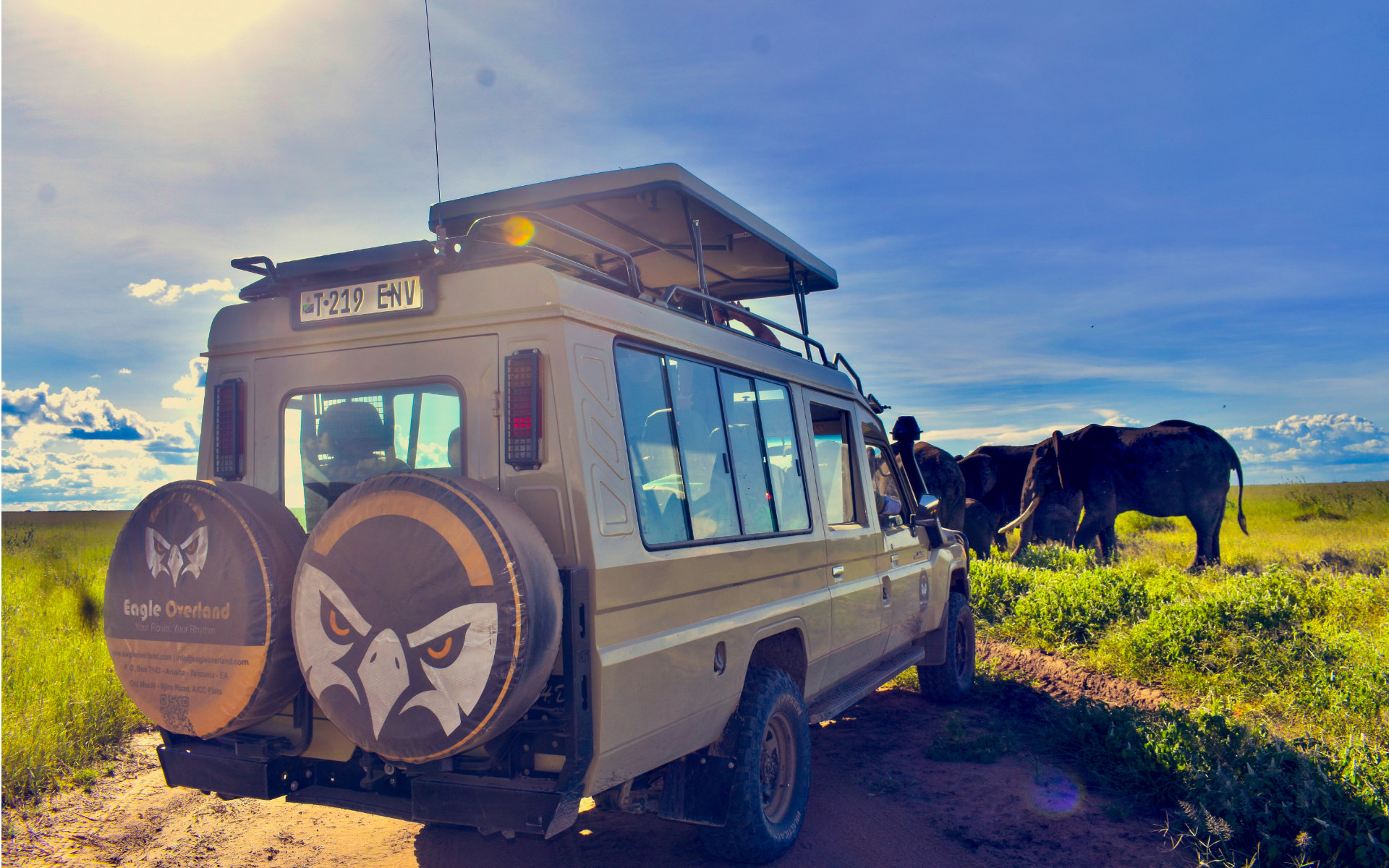
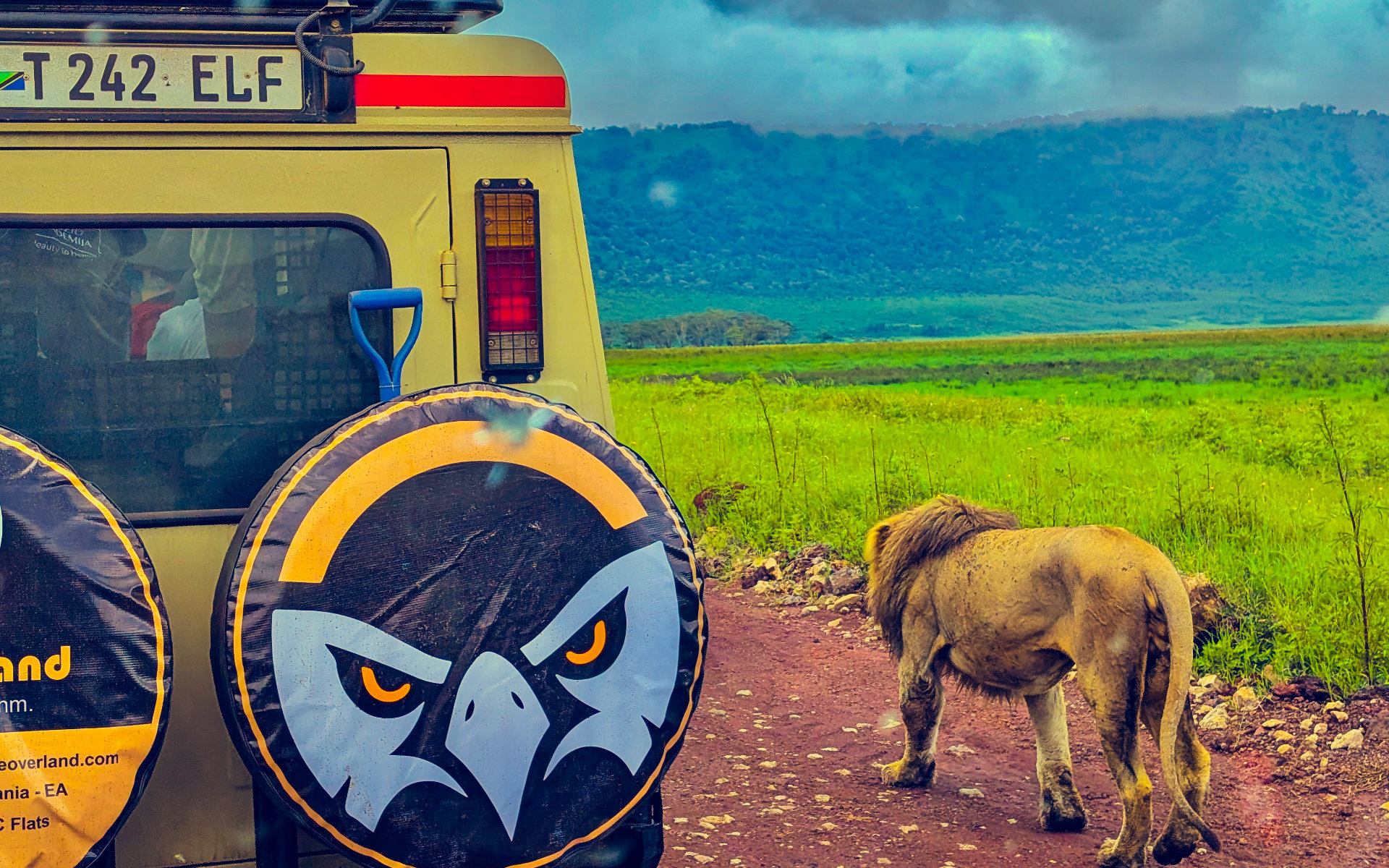
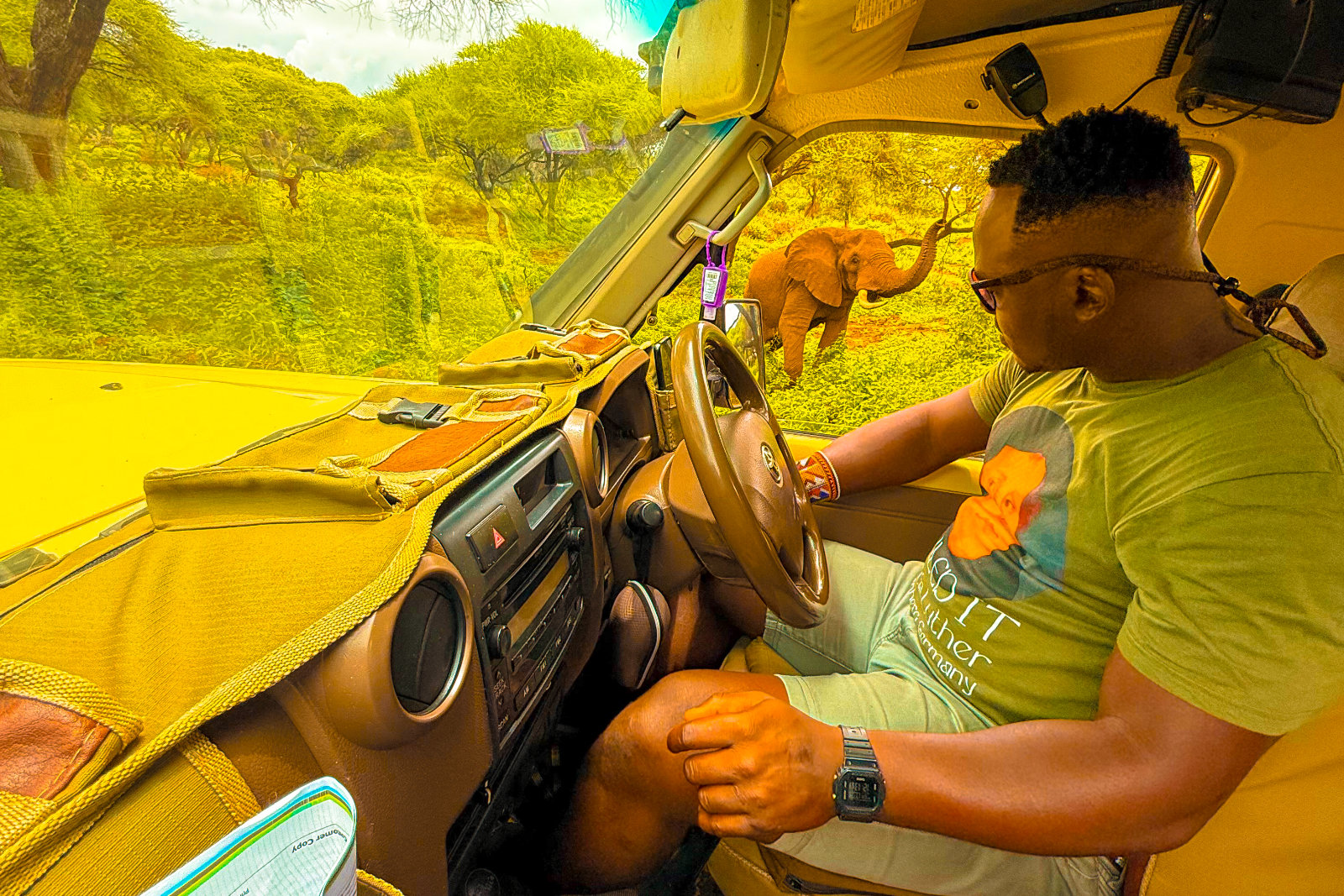
Wildlife safety is about distance and patience. Animals can move unexpectedly, especially around water, crossings, shade, or narrow tracks. Never pressure wildlife for photos, never block their movement, and never leave the vehicle in areas where it is not permitted.
Inside parks and wildlife areas:
- Follow official park rules and speed limits.
- Stay on allowed roads and tracks.
- Keep a safe distance from animals.
- Do not approach wildlife for a better photo.
- Do not feed animals or leave food outside.
- Ask rangers or support staff when unsure about a route.
Use offline navigation and route preparation
Mobile signal can be weak in remote safari areas. Downloaded maps, saved locations, and a written route plan can reduce stress and help you stay confident.
Do not rely on one navigation method only. Keep your main phone charged, save maps offline, carry charging cables, and understand the route before departure. Written route notes and saved locations should work together with common sense, park guidance, and local advice.
Keep communication simple and clear
Before each driving day, make sure someone knows your planned route, overnight stop, and expected arrival. If your plan changes, communicate early rather than waiting until the situation becomes stressful.
If you feel unsure about road conditions, timing, weather, or a vehicle warning, ask for help early. Small questions are easier to solve before they become big problems.
Plan fuel, water, and supplies
Fuel planning is important on self-drive routes. Do not wait until the tank is almost empty before thinking about the next stop. Remote routes, detours, road delays, or extra game drive distance can increase fuel use.
Scroll to compare supply preparations
| Item | Why it matters | Good habit |
|---|---|---|
| Fuel | Remote routes may have long gaps between reliable fuel points. | Refuel when you can, not only when you must. |
| Water | Heat, delays, and remote stops can increase your needs. | Carry extra drinking water. |
| Food | Lunch stops may not always match your timing. | Keep simple snacks or packed meals. |
| Phone power | Navigation and communication depend on charged devices. | Charge whenever the vehicle is running. |
Drive according to the road, not your schedule
Safari driving is not a race. Road conditions can change quickly between tarmac, gravel, corrugation, sand, mud, rocky sections, and village roads. The safest speed is the one that matches the surface, visibility, vehicle load, and your confidence.
Good driving habits:
- Slow down before rough sections instead of braking hard inside them.
- Keep both hands steady on rough roads.
- Avoid sharp movements when the road surface is loose.
- Reduce speed near villages, livestock, and pedestrians.
- Leave enough time so you are not forced to rush.
Have a breakdown plan before you need it
Even with a strong vehicle, remote travel requires a plan. A breakdown plan does not mean you expect trouble. It means you know what to do calmly if something feels wrong.
If something feels wrong
- Stop in a safe place where the vehicle is visible.
- Do not continue driving if a warning feels serious.
- Share your location, route, and what happened.
- Send photos or short videos if helpful.
- Wait for guidance before attempting anything uncertain.
Respect weather and seasonal conditions
Weather can affect road conditions, visibility, and driving time. Rain can make some tracks slower or more difficult. Dust can reduce visibility in dry conditions. Heat can make long days more tiring.
A safe plan should include flexibility. If the road, weather, or timing changes, adjust the route instead of forcing the original plan. Good self-drive travel is flexible, not stubborn.
Take the vehicle briefing seriously
The handover is one of the most important parts of a self-drive safari. This is where you learn the vehicle, equipment, support process, route notes, and practical do’s and don’ts before departure.
During handover, confirm:
- Vehicle controls and 4x4 guidance.
- Tyre pressure and spare tyre location.
- Recovery gear and basic tools.
- Fridge, dual battery, inverter, and charging points.
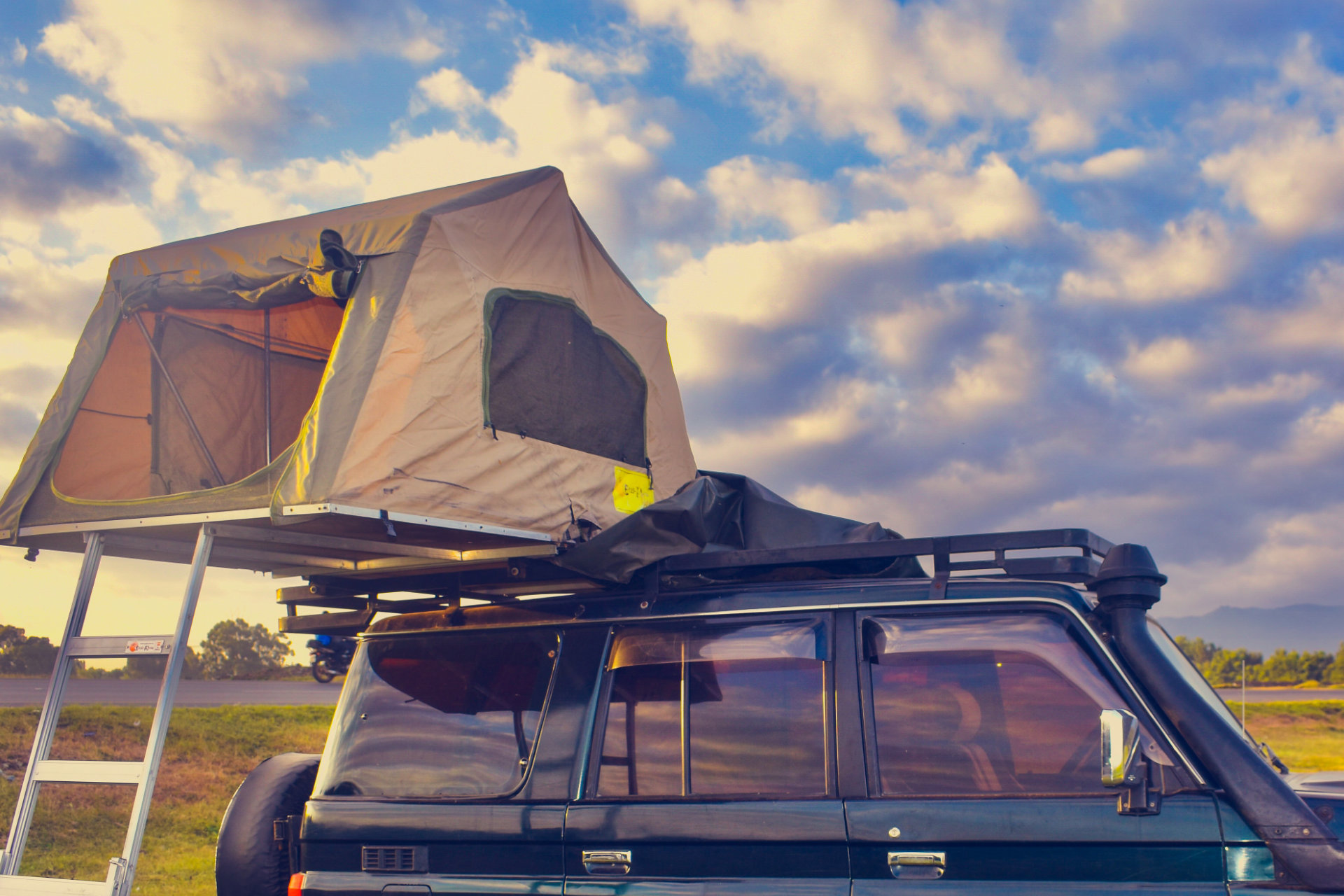
- Camping equipment if using rooftop tents.
- Emergency contacts and support process.
- Route notes, offline maps, saved locations, and a navigation backup.
The safest driver is a calm driver
Confidence comes from preparation, not speed. If you are unsure, slow down. If the route feels too long, adjust it. If you do not understand the vehicle, ask before leaving. If the weather changes, pause and reassess.
Self-drive safari is most enjoyable when you leave enough time for the unexpected. Tanzania is not a place to rush. It is a place to move carefully, observe deeply, and respect the road.
Plan safely
Need help planning a safer self-drive route?
Tell us your dates, group size, route idea, vehicle preference, and travel style. We’ll help match the right 4x4, route timing, equipment setup, navigation support, and safety briefing.
Safety FAQ
Questions travelers ask before driving
Is self-drive safari safe in Tanzania?
Yes, it can be safe when planned carefully with a suitable 4x4, daylight driving, realistic route timing, offline navigation, communication, and local support.
Can I drive at night?
Night driving should be avoided. Wildlife, livestock, pedestrians, unlit vehicles, rough roads, and reduced visibility make night movement risky.
Do I need offline navigation?
Yes. Downloaded offline maps, saved locations, a written route plan, and charged devices are useful because mobile signal can be weak in remote safari areas.
What should I do if the vehicle has a problem?
Stop safely, avoid forcing the vehicle, share your location, explain the issue clearly, and contact support early before the situation becomes stressful.
Can Eagle Overland help with safety planning?
Yes. Eagle Overland can help with vehicle briefing, route planning, navigation support, equipment guidance, and practical safety advice before departure.